
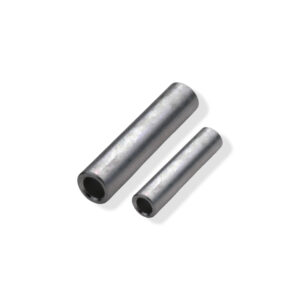
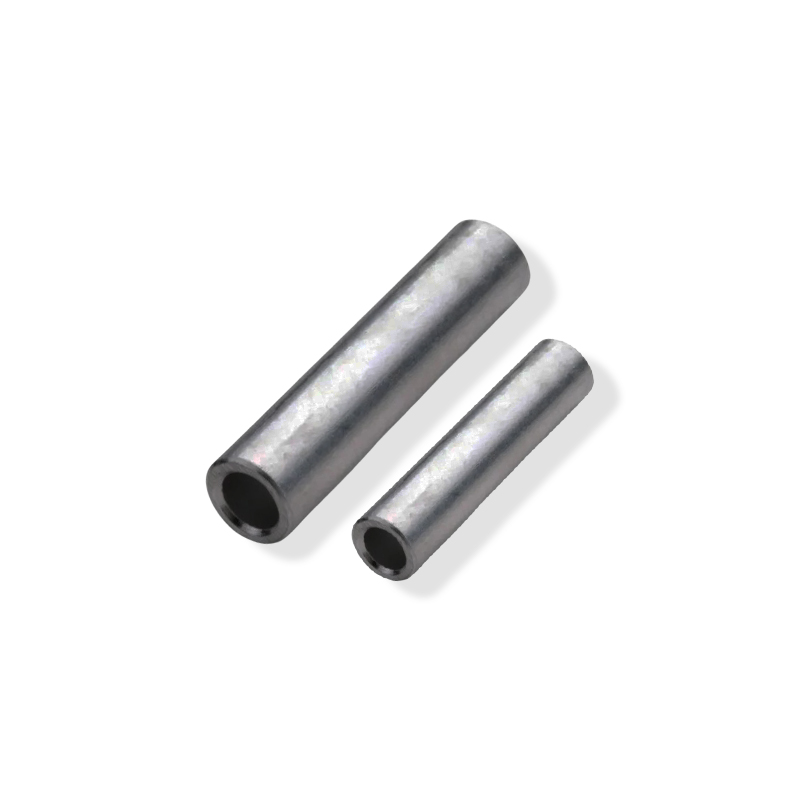
A Soil Stabilization Extension Coupling is a critical component in soil stabilization drilling operations. It is used to connect drill rods or tools in series to extend the reach of the drilling equipment. This coupling enables the drill bit to access deeper layers of soil for stabilization, where the application of stabilization agents like cement, lime, or chemicals is needed. Extension couplings are designed for heavy-duty operations, providing durability and efficiency for extended drilling tasks in tough soil conditions.
- Design:The most common design for an extension coupling features threaded connections at both ends, allowing it to securely link drill rods or other equipment. These threads are precision-engineered to ensure a tight, secure fit, preventing any loosening or detachment during drilling operations.The threads are often designed to reduce wear and prevent thread stripping, which ensures long-lasting performance.To handle the forces involved in deep drilling, extension couplings often feature reinforced structures that enhance their durability. This might include thicker walls or additional support elements within the coupling to handle higher torque or pressure.The design is meant to minimize flexing or bending under pressure, ensuring smooth operation and stability throughout the drilling process.
- Applications:
- Soil Stabilization:The primary application of the Soil Stabilization Extension Coupling is to enable deeper drilling during soil stabilization projects. By connecting drill rods or other tools, it helps drill to the required depth for the injection of stabilization agents such as cement, lime, or other chemical solutions.The coupling is often used in ground improvement projects, where the soil must be stabilized before construction can take place. It allows for more precise placement of agents to strengthen weak or loose soil.
- Geotechnical Drilling:Extension couplings are essential for geotechnical drilling operations, where it is necessary to drill at significant depths to obtain soil samples or perform in-situ tests. The coupling extends the reach of the drill string, allowing engineers to gather valuable data about the soil composition, density, and other properties at various depths.In borehole drilling, the extension coupling is used to achieve the required drilling depth for collecting samples for laboratory analysis, informing decisions about foundation designs and other construction considerations.
- Foundation Drilling:When creating deep foundations for structures like buildings, bridges, or other large infrastructure projects, the extension coupling allows the drilling equipment to reach deeper into the soil to stabilize or install piles. The coupling provides the necessary extension to access challenging soil layers, ensuring proper foundation support.This is especially important in areas where the surface soil is weak or unstable and requires treatment or strengthening with stabilization agents before foundation work begins.
- Road and Pavement Construction:In road construction or pavement stabilization, the extension coupling is used to enable deeper penetration into the soil or subgrade for stabilization work. It ensures that the soil beneath the pavement is solidified and reinforced, preventing shifting or settling of the surface.It is also used in cut-and-fill operations where deep excavation or soil treatment is required for proper roadbed construction.
- Utility Installation:The coupling is frequently used in utility installation projects where drilling is required to place pipes or cables underground. For these projects, the extension coupling helps achieve the necessary depth to install utilities in stable ground, especially in areas with challenging soil conditions.The coupling facilitates deeper drilling into the soil, ensuring that utilities remain protected and undisturbed over time.
- Mining and Quarrying:In mining and quarrying operations, extension couplings are used in drilling for exploration, mineral sampling, and preparing blast holes. The coupling extends the reach of drilling equipment into deeper, more difficult-to-reach soil or rock layers.Extension couplings help to create precise boreholes for further blasting or exploration, making them integral to effective mining operations, especially in areas with complex geological formations.
- Water Well Drilling:Water well drilling operations often require deep penetration to access groundwater sources. Extension couplings are used in this context to connect drill rods, allowing the drill to reach deeper aquifers for water extraction.The coupling ensures the drilling rig can access deep groundwater sources while maintaining the integrity of the drilled borehole.
- Tunneling and Underground Construction:In tunneling or underground construction, extension couplings may be used in the drilling phase to help stabilize the soil or rock before tunneling operations begin. By ensuring that the soil at great depths is stabilized or reinforced, the extension coupling supports the safe construction of tunnels and underground facilities.
- Materials:The extension coupling is typically made from high-strength steel or alloy steel to withstand the mechanical stresses encountered during drilling. Steel ensures the coupling can endure high torsion, pressure, and friction while maintaining its integrity over prolonged use.Some couplings may have corrosion-resistant coatings or be constructed from stainless steel to prevent degradation in harsh environmental conditions or exposure to moisture, chemicals, and soil.
- Configuration: R32, R38 and R51 Threads.
See the rest of our soil stabilization and the companion mining are stocked alongside it. It ships out of Denver, same day on in-stock orders placed before 4 PM ET.