
Working Tools
The working tool is the only part of a hydraulic breaker that touches the material, and changing it changes what the machine does. Start a break in concrete or an oversize boulder with a conical or pyramidal moil point, then cut a controlled line with a cross or XProfile chisel. Slice clean edges for road patch and utility trench work with an asphalt cutter, or compact backfill without dragging out a plate compactor by fitting a square head tamper pad. Every tool here is cut to an Epiroc breaker shank, so match it to the model on your boom — the SB, SBU, and EC carrier mounted breakers in our hydraulic breaker line. In-stock parts ordered by 4 PM ET ship the same day.
Showing all 20 resultsSorted by popularity
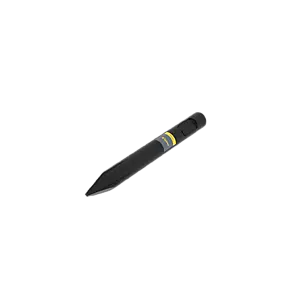 $220.21 – QUOTE Select options This product has multiple variants. The options may be chosen on the product page
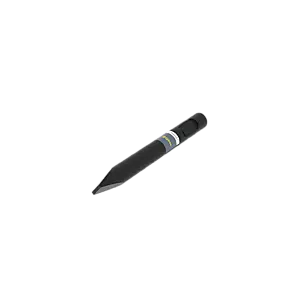 $220.21 – QUOTE Select options This product has multiple variants. The options may be chosen on the product page
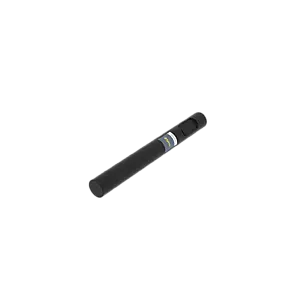 $231.22 – QUOTE Select options This product has multiple variants. The options may be chosen on the product page
- Price range: $723.92 through $1,916.86 Select options This product has multiple variants. The options may be chosen on the product page
- Price range: $278.56 through $1,825.48 Select options This product has multiple variants. The options may be chosen on the product page
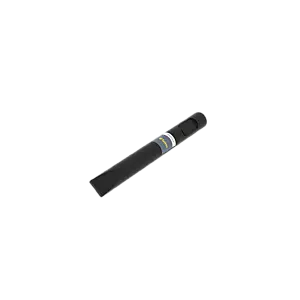 Price range: $365.54 through $2,815.28 Select options This product has multiple variants. The options may be chosen on the product page
 Price range: $373.25 through $1,971.72 Select options This product has multiple variants. The options may be chosen on the product page
- Price range: $808.89 through $2,575.29 Select options This product has multiple variants. The options may be chosen on the product page
- Price range: $428.32 through $1,637.21 Select options This product has multiple variants. The options may be chosen on the product page
- Price range: $219.47 through $3,626.70 Select options This product has multiple variants. The options may be chosen on the product page
- $692.54 – QUOTE Select options This product has multiple variants. The options may be chosen on the product page
- Price range: $1,271.67 through $1,437.93 Select options This product has multiple variants. The options may be chosen on the product page
- Price range: $1,497.38 through $1,521.60 Select options This product has multiple variants. The options may be chosen on the product page
- $2,732.72 – QUOTE Select options This product has multiple variants. The options may be chosen on the product page
Showing all 20 resultsSorted by popularity
Points, Chisels and Cutters
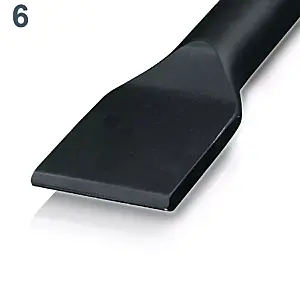
Three shapes cover most breaking. A moil point drives the blow into a single spot — the general-purpose tool for concrete, boulders, and frozen ground. A chisel spreads that energy along an edge, so it cuts a line and splits where you aim it. The wide chisel goes further for surface removal and shallow scaling, and the asphalt cutter slices pavement instead of pulverizing it, leaving a clean edge to patch against.
Pads That Change the Job
Swap the front end and the same breaker compacts and drives. A square tamper pad turns impact into vertical compaction for backfill, gravel, and asphalt. A post driver pad cushions the head of a T-post, sign post, or solar support so it will not mushroom, and a pile driver pad does the same on heavier sections. Both seat in an adapter housing over a replaceable insert.
Working Tool Fitment by Breaker Model
Fitment follows breaker model, not carrier. Find yours in the right-hand column, then pick the tool by job.
| Working tool | What it does | Options & machine types |
|---|---|---|
| Epiroc moil point | General-purpose penetration — concrete, boulders, secondary breaking | Conical, pyramidal or XProfile head; Classicline or Proline; SB 52–SB 452, SBU 220/340, EC 40–EC 135, RX and HB 3100 |
| Cross & XProfile chisel | Cuts a line and splits in a chosen direction | Cross or XProfile head; Classicline or Proline; SB 52–SB 452, SBU 220, EC 40–EC 135, EC 605/705/805, RX and MB series |
| Wide chisel | Surface demolition, overlay removal, shallow scaling | Cross or parallel head; SB 52, SB 102, SB 152, SB 202, SB 302/SBU 340, SB 452 |
| Blunt tool | Shatters oversize rock and block without penetrating | SB 152–SB 452, SB 1202, SBU 220/340, EC 40–EC 120, HB 4100, RX 38 |
| Asphalt cutter | Clean-edge cutting for road patch, trench and deck work | Cross or parallel head; SB 52, SB 102, SB 152, SB 202/SBU 220, SB 302/340, EC 40, EC 50T, EC 60/RX 4, EC 80 |
| Square tamper pad | Compacts backfill, gravel and asphalt off the breaker | SB 52/102/152, SB 202/SBU 220, SB 302/SBU 340, SB 452, EC 40/50 |
| Post driver pad | Drives fence, sign, guardrail and solar posts without mushrooming the head | Round; SB 52/152, SB 202/SBU 220, SB 302/340, SB 452, EC 40/50 |
| Pile driver pad | Seats heavier pile sections off the same breaker | Round — confirm fitment by breaker model |
| Round bushing pad | Guides the tool shank and takes the lateral load | SB 52/102/152, SB 202/SBU 220, SB 302/SBU 340, EC 40/50 |
| Shaft for pad | Retains and aligns the pad or tool in the holder | SB 52, SB 102, SB 152, SB 202/SBU 220, SB 302/SBU 340, SB 452 |
Every tool listed is shown above; sort the grid or filter by machine type in the sidebar to narrow to your breaker.
Bushings, Shafts and What Wears
Tools rarely fail at the tip. They fail at the shank, because the lower bushing has gone oval and the tool is moving sideways under load. Change the bushing pad on schedule, keep the retaining shaft tight, and grease the shank every couple of hours. A dry bushing cold-welds to the tool and takes both parts with it.
Common Questions
Are hoe ram bits and breaker chisels the same thing? Yes. Hoe ram, rock breaker, and hydraulic hammer all name the same carrier-mounted tool, and the steel in the front of it is the working tool. Everything here fits the breakers themselves.
What is the difference between a moil point and a chisel? Geometry. A moil point concentrates the blow on a single point for penetration and general breaking; a chisel spreads it along an edge so the crack runs where you aim it. Most crews keep both on the machine.
How do I know which working tool fits my breaker? Match the model stamped on the breaker to the machine types in the table above. If your RX, HB, or MB series is not listed for the tool you want, call the number at the top of the page and we will confirm the shank.
Why do breaker chisels wear out so fast? Blank firing, prying with the tool, and a dry bushing account for most of it. Grease on schedule — chisel paste, ContiLube kits and lube guns sit with the other breaker parts.
How quickly do these ship? Orders for in-stock working tools placed by 4 PM Eastern ship the same day from our Denver warehouse. Stock varies by size, so confirm with us before ordering if you’re working to a deadline.