
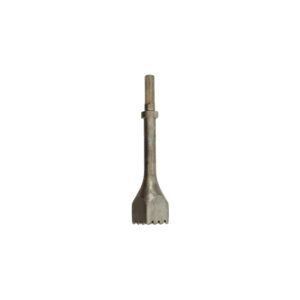
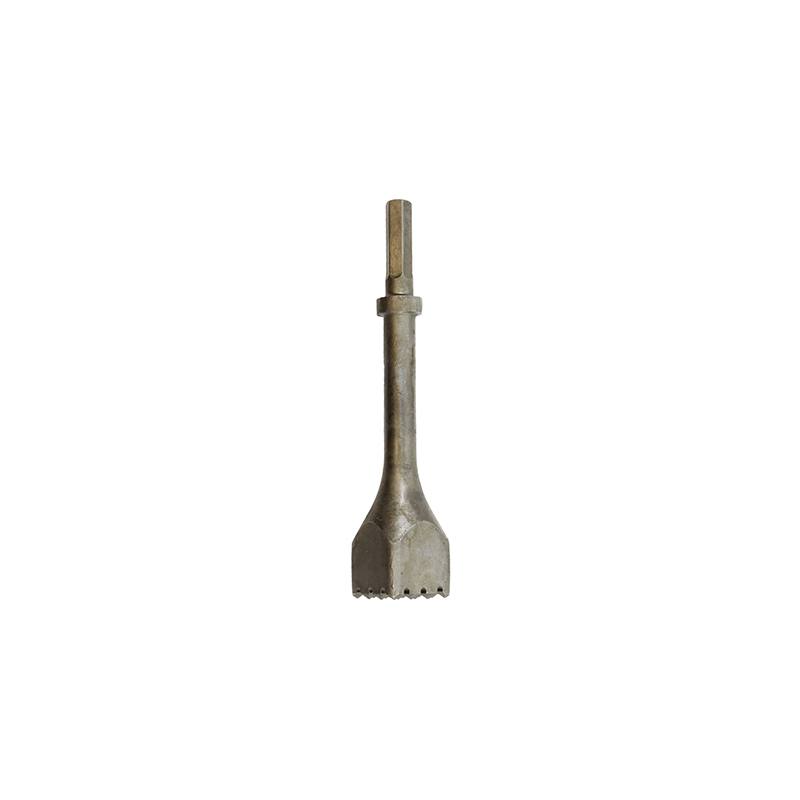
A bushing tool for a rotary hammer is a specialized attachment used to assist with surface preparation and material removal tasks in demolition and construction projects. The tool is designed to roughen or smooth hard surfaces such as concrete, masonry, and stone. The bushing tool typically has a set of carbide or steel pins or blades that impact the surface as the rotary hammer operates, breaking down tough materials or providing a textured finish.
Bushing tools are commonly used in concrete surface treatment, such as preparing floors for resurfacing, removing coatings, or cleaning concrete surfaces. These tools are also valuable for applications where controlled, consistent surface abrasion is required.
- Design:The bushing tool consists of a series of pins, blades, or teeth that protrude from the tools body. These components are made to impact the material at high speed, which allows the tool to break up tough surfaces without excessive force or risk of damaging the substrate underneath. The body of the bushing tool is typically designed to be robust and durable, ensuring it can withstand the high impacts and vibration forces exerted by the rotary hammer during operation. The bushing tool is designed to fit securely into the chuck of a rotary hammer, often using an SDS-Plus or SDS-Max mounting system. This ensures the tool is securely attached during use, preventing accidental detachment.
- Applications:
- Concrete Surface Preparation: Bushing tools are commonly used for roughening concrete surfaces, preparing them for further treatment or bonding. This process is especially important when applying new coatings, overlays, or sealants to concrete floors, walls, or other surfaces.
- Removing Coatings or Paint: In renovation or demolition projects, bushing tools are effective for removing old coatings, paint, adhesives, and other materials from concrete, masonry, or stone surfaces, helping to clean up or prep the substrate for new finishes.
- Texturing Concrete or Masonry: A bushing tool is used to give concrete or stone surfaces a textured finish. This is often done for aesthetic purposes or to provide better traction on flooring surfaces in places like walkways, garage floors, or industrial areas.
- Cleaning and Stripping: The tool can also be used to clean and strip tough surfaces, removing dirt, grime, or accumulated build-up that can’t be easily removed with other cleaning methods.
- Roughening the Surface for Bonding or Adhesion: When installing tile, stone, or other materials, roughening the surface of the substrate helps to improve the adhesion of bonding agents or adhesives.
- Patching and Repair Work: Bushing tools can assist in preparing surfaces for patching or repair work, such as when repairing cracked concrete or reapplying surface coatings.
- Industrial Applications: Bushing tools are used in various industrial settings, such as in manufacturing or heavy equipment repair, where concrete or stone surfaces need roughening or cleaning.
- Materials: High-carbon steel is commonly used for the tool body and pin blades due to its hardness and wear resistance. Its ideal for withstanding the repetitive impacts generated by rotary hammer operation. Tungsten carbide is often used for the tips or pins of bushing tools due to its extreme hardness, resistance to wear, and ability to maintain its sharpness even after prolonged use. Tungsten carbide is especially useful in demanding applications, such as working with very hard concrete or stone surfaces.
- Configurations:SDS Max or Spline Shanks

