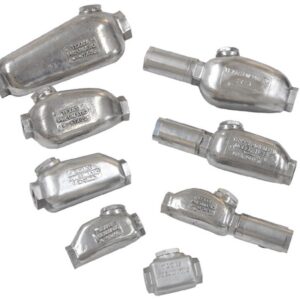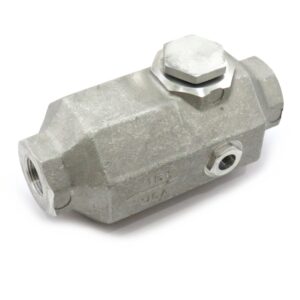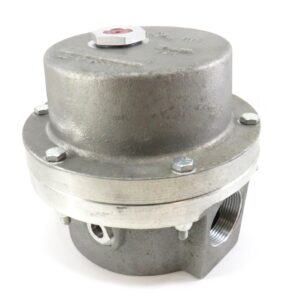
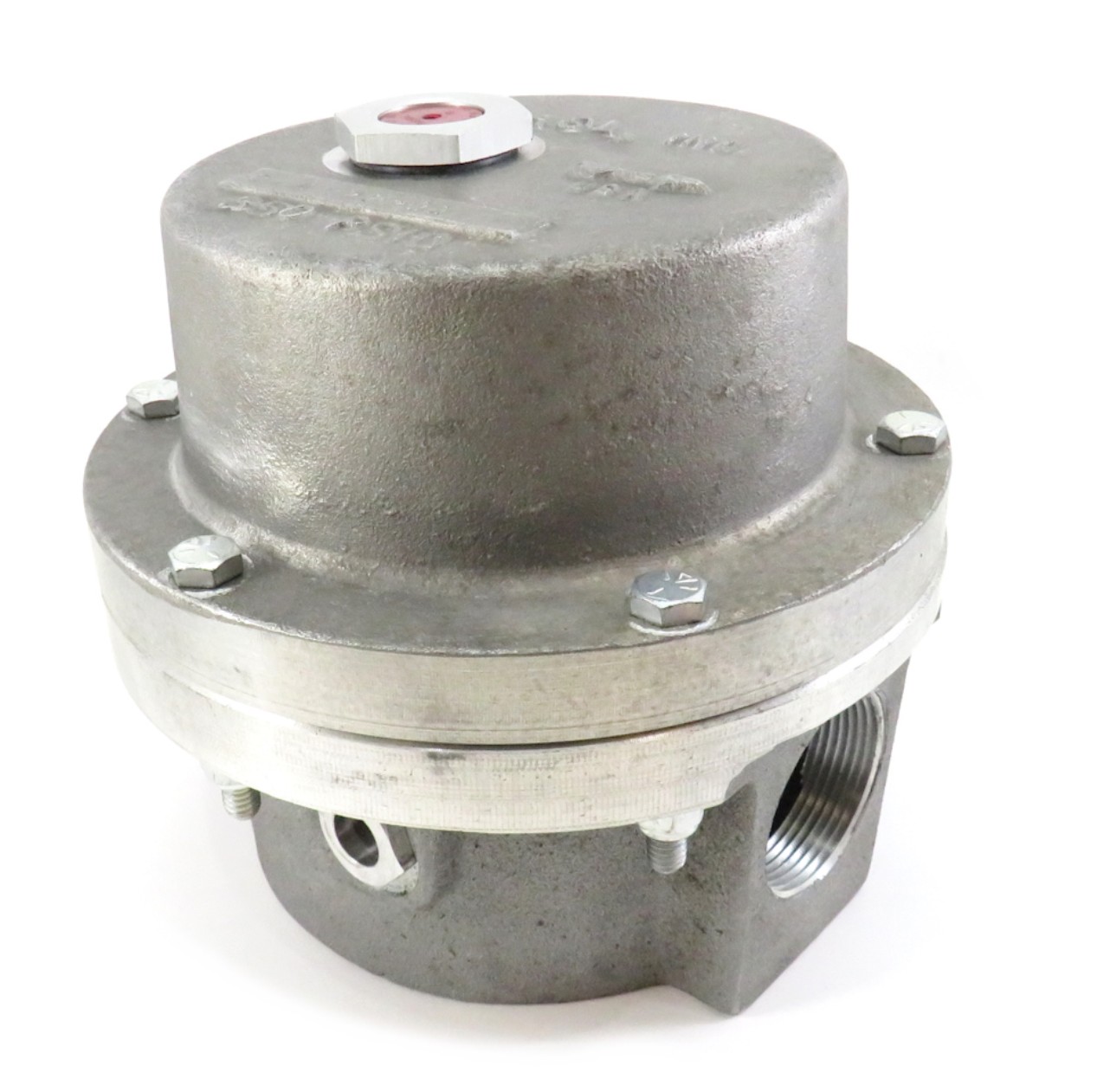
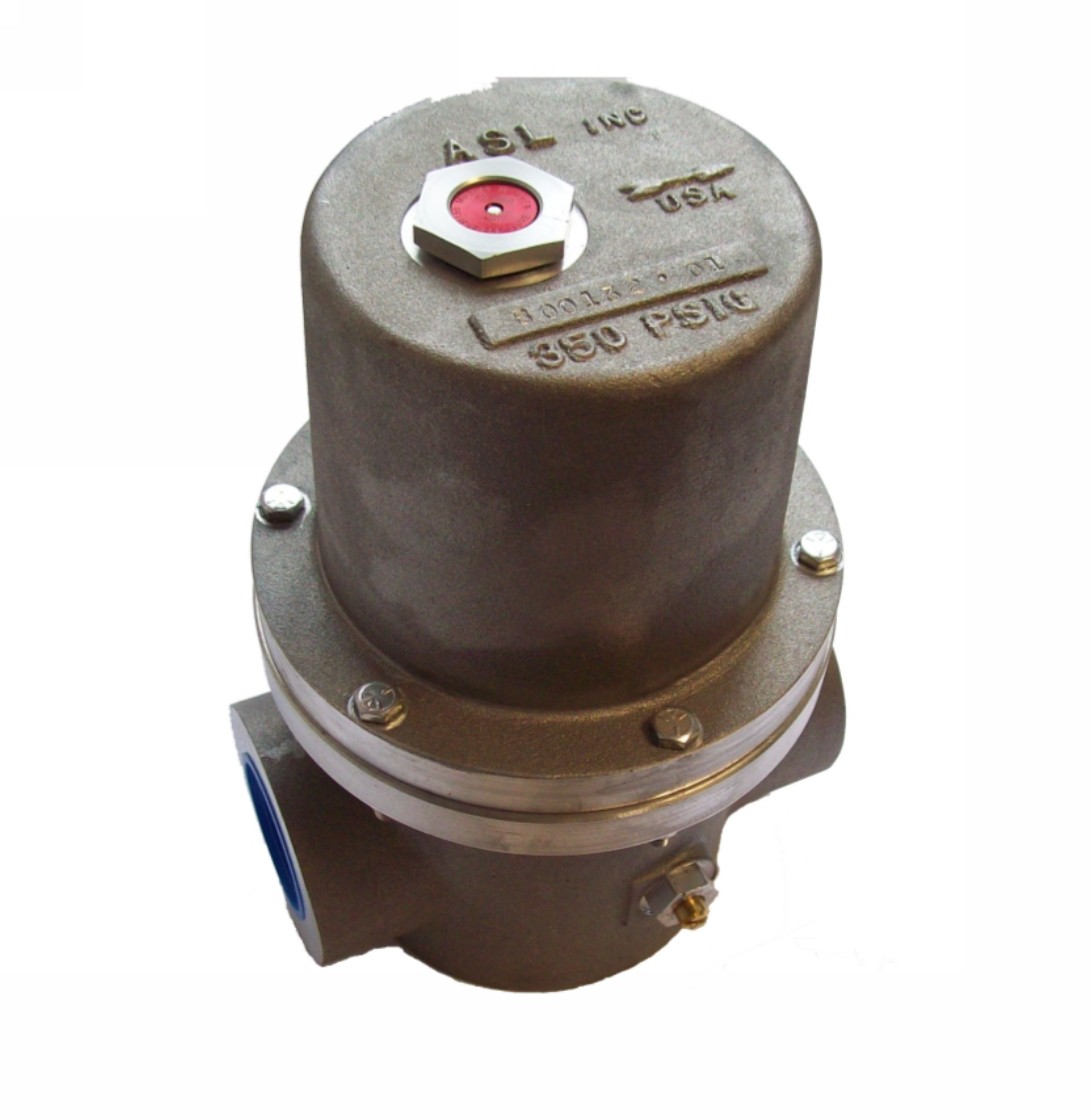
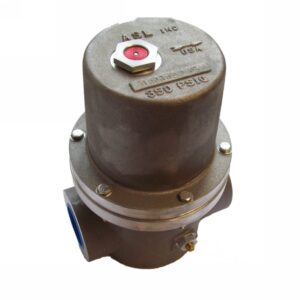
A constant-feed line oiler (also called a constant feed lubricator or gravity feed oiler) is a precision lubrication device designed to deliver a continuous, controlled flow of oil to machinery parts, bearings, or air lines.Unlike intermittent or pressure-feed systems, a constant-feed oiler relies on gravity or capillary action and adjustable needle valves to maintain a steady rate of oil flow typically drop-by-drop into the lubrication point or air line. Its purpose is to ensure critical moving components receive a continuous film of lubricant to reduce friction, wear, and overheating.
Design:
- Reservoir sizes from 1 pint to 12 gallons.
- Needle Valve or Flow Adjuster: Regulates oil flow rate by adjusting the orifice size.
- Sight Glass: To monitor level.
- Threaded connections from 1-1/4″ to 3″.
- Pressure relief cap to safely release air pressure.
- Mounting Threads: For attaching directly to equipment.
Applications: Constant-feed line oilers are widely used where continuous, low-volume lubrication is required for efficient, reliable operation.
- Tools: Best oiler for DTH drilling or air tools requiring volume over long service.
- Foundries & Steel Plants: Lubricating roll bearings and valve linkages
- Pneumatic Systems: Inline installation to maintain oil mist for air tools and actuators
- Marine/Offshore: Rust prevention in air-driven systems and marine engines
Materials:
- Body/Base: Aluminum
- Sight Glass: Borosilicate glass or Acrylic – High clarity and oil resistance