
The C9 is part of the handheld hydraulic splitter line manufactured by Darda. It uses a hydraulic wedge system to split rock or concrete from the inside outward, rather than by impact or explosive means.
Design:
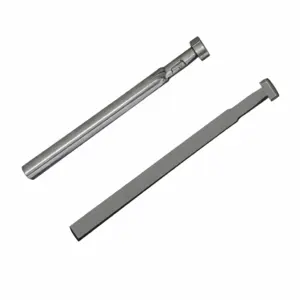
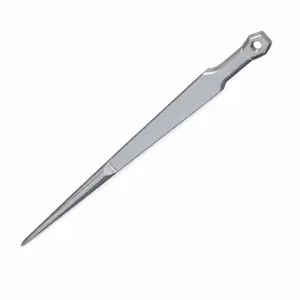
- Wedge principle: A cylindrical hole is drilled to a required diameter & depth, then the splitters wedge set (one central wedge + two counter wedges) is inserted; under hydraulic pressure the wedge forces the counter wedges outward, thus cracking the material
- Hydraulic pressure system: The C9 operates at high pressure (system pressure up to ~500bar / ~50MPa) to produce large splitting forces.
- Portable/handheld size: Despite the large splitting forces, the weight is relatively modest (2223kg depending on variant) making single person operation possible.
- Control & precision: The splitting direction can be predetermined via a control valve in the handle, allowing precise targeting of the crack.
- Robust build for tough conditions: The body and components are made from high quality aluminum and steel, counter wedges are specially hardened (hard metal/carbide layer) to resist wear under enormous loads.
Applications: The C9 is designed for a variety of demanding demolition and splitting tasks where conventional methods may be impractical or undesirable. Typical applications include:
- Demolition of unreinforced or lightly reinforced concrete, such as walls, floors, chimneys, foundations in confined or indoor spaces.
- Secondary splitting of natural stone or rock (e.g., boulders, quarrying blocks) where vibration, flying debris or noise must be minimized.
- Use underwater or in restricted/poorly accessible spaces (tunnels, basement, inner city) thanks to low noise/vibration and portability.
- Splitting of pile heads or structural elements where controlled crack propagation is required rather than brute impact.
In short: when you need controlled, quiet, and relatively compact splitting power (rather than full blown demolition with large breakers or explosives), the C9 is a strong candidate.
Materials & Component Construction
The materials and construction methods used in the C9 are designed to deliver durability, portability and high performance. Key material aspects:
- Body / Cylinder: The main cylinder and housing are made from high quality aluminum and steel alloys. The use of aluminum helps reduce weight while steel provides structural strength for the loads.
- Wedge & Counter Wedges: These take the brunt of the splitting forces. They are manufactured from hardened steel and often receive a hard metal (carbide) layer or special surface treatment to resist abrasion, corrosion and repeated high stress cycles.
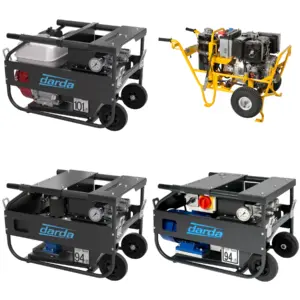
- Hydraulic Hoses & Connectors: Multilayer high pressure hydraulic hoses with burst protection connect the splitter unit to the hydraulic power pack. These are built to jobsite conditions, high pressure and durability.
- Control Valve / Handle & Safety System: The upper handle contains a directional control valve for determining crack direction. Material wise, internal valve components are robust steel, external body again aluminum/steel. The quick change system for wedge sets is designed for field use.
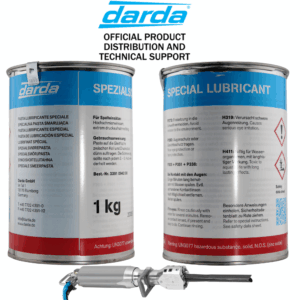
- Coatings & Finishes: Given the jobsite environment (rock, dust, moisture, possible underwater), steel parts are likely coated, sealed, or treated for corrosion resistance. The catalogue emphasizes virtually no maintenance thanks to the durable construction.