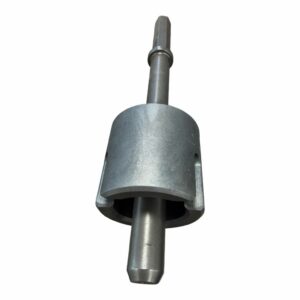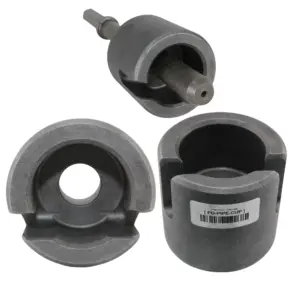
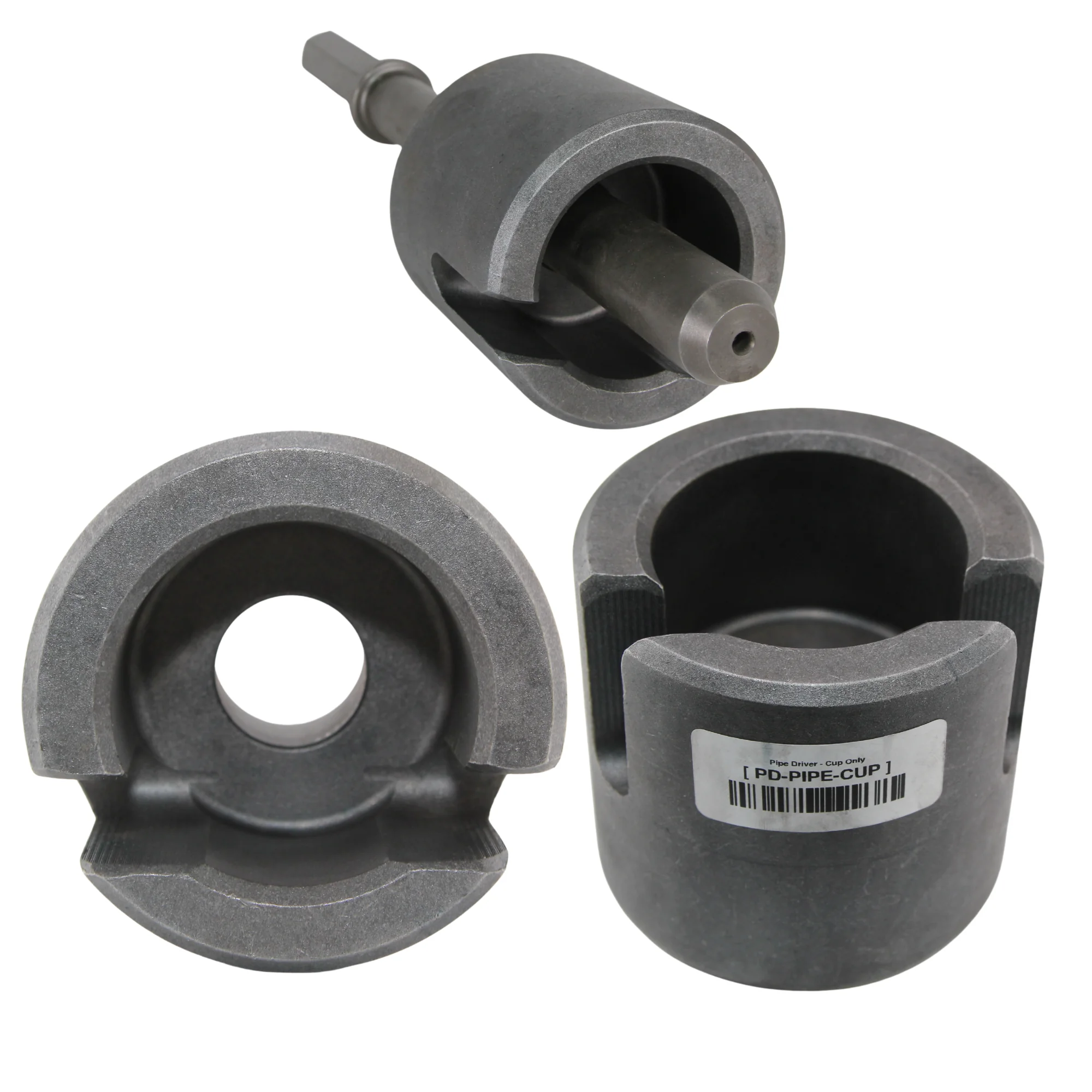
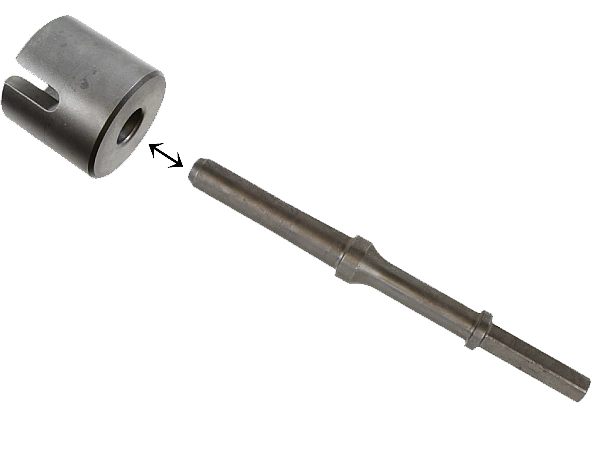
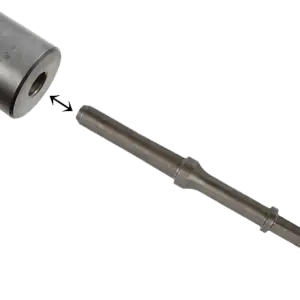
A pipe driver cup is a specialized attachment used in down-the-hole (DTH) hammers, hydraulic hammers, and pipe ramming systems to drive steel pipes or casings into the ground efficiently.
- Transmits the hammering or ramming energy to the pipe without damaging it.
- Ensures proper alignment during driving operations.
- Reduces wear on the pipe ends and improves driving efficiency.
Design:
- Cup Body/Outer Shell: Receives impact energy from hammer or ram; distributes force evenly.
- Inner Liner/Sleeve: Contacts pipe; provides snug fit to prevent slippage.
- Shock Absorption Layer (Optional): Reduces hammering stress on pipe; can be polyurethane, rubber, or composite.
- Flange or Collar: Prevents cup from sliding off pipe during driving.
- Tapered or Cylindrical Shape: Facilitates smooth insertion into the ground while centering the pipe.
- Reinforced Lip/Edge: Protects pipe end from deformation.
Applications: Pipe driver cups are widely used wherever steel pipes or casings need to be installed efficiently without damage.
- Construction: Sheet pile installation, foundation piling, steel casings
- Mining: Drilling and casing operations in mineral exploration
- Water & Sewage: Installing water pipes, sewer casings, and culverts
- Oil & Gas: Driving conductor pipes and surface casings
- Utilities: Laying underground conduit, telecommunication, and gas lines
- Geotechnical: Soil sampling with pipe casings and soil investigation drills
Materials:
- Cup Body/Outer Shell: Hardened steel, high-carbon steel, alloy steel – High impact resistance and durability
- Inner Sleeve / Pipe Contact Surface: Molybdenum steel, bronze, or hardened steel – Reduced friction and wear on pipe
- Shock Absorption Layer: Polyurethane, rubber, composite polymer – Reduces stress on pipe ends
- Reinforced Lip/Edge: Hardened steel, heat-treated – Prevents pipe deformation and extends cup life
- Surface Coating: Phosphate coating, black oxide, or wear-resistant paint – Corrosion and wear resistance