
Chicago Pneumatic Sand Rammers
The CP0200B pneumatic sand rammer line: eleven configurations from an 11 in. bench rammer to a 43 in. floor rammer, 720 to 1,800 blows per minute, with lever or safety-lever starting. One tool family, one job done properly — compacting molding sand around patterns in foundry work.
The short version
Size the rammer to the mold: short, fast bench rammers (11-14 in., 1,020-1,800 BPM) for snap flasks and small cope-and-drag work; mid-length rammers for standard floor molds; the long 41-43 in. floor rammers (720-780 BPM, heavier blows) for deep flasks and pit work. Safety-lever versions require a positive grip to fire — the pick for multi-operator floors. The category page is percussive tools; butt plates and parts come through the parts lookup. Foundry questions: 1-888-883-5144.
CP0200B Pneumatic Sand Rammer Configurations
Pick length for the flask, BPM for the sand, and the starting system your safety program requires.
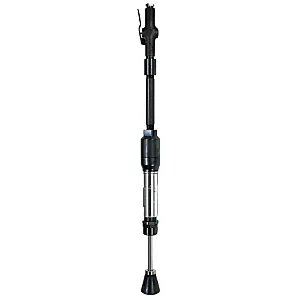
Eleven builds, one platform
Shorter rammers cycle faster with lighter blows — right for bench work and snap flasks. The long floor rammers slow to 720-780 BPM and hit harder, compacting deep flasks in fewer passes. Every configuration is the same serviceable CP0200B platform; parts interchange across the line.
Pneumatic Sand Rammer
720-1,800 BPM · 5.6-38 J blow energy
Compacting molding sand around patterns — bench to pit floor.
Length / Speed / Start
CP0200B Configuration Table
| Length | Impact Rate | Start | Best For |
|---|---|---|---|
| 11 in. | 1,800 BPM | Lever or safety lever | Bench molds, snap flasks |
| 13.8 in. | 1,020 BPM | Lever or safety lever | Small cope-and-drag work |
| 19.9 in. | 780 BPM | Lever or safety lever | Standard floor molds |
| 22 in. | 1,800 BPM | Safety lever | Fast cycling on mid-depth flasks |
| 24.9 in. | 1,020 BPM | Safety lever | Mid-depth floor flasks |
| 41 in. | 780 BPM | Safety lever | Deep flasks, standing work |
| 42.8 in. | 720 BPM | Lever or safety lever | Pit molds, heaviest compaction |
Scroll the table sideways on a phone.
Sand Rammers — Common Questions
What is a sand rammer used for?
Compacting molding sand around a pattern in a flask — the step that decides whether the mold holds its shape and surface when the pattern is drawn and the metal is poured. A pneumatic rammer replaces hand ramming with consistent blows at 720-1,800 per minute, so mold density stays uniform and operators last the shift.
Which length and speed do I need?
Reach and sand, in that order. The butt end has to reach the sand you are compacting: bench and snap-flask work takes the 11-14 in. rammers, floor molds the mid-lengths, deep flasks and pits the 41-43 in. tools. Faster BPM with lighter blows suits facing sand and delicate patterns; slower, harder blows compact deep backing sand in fewer passes.
What is the difference between lever and safety-lever start?
A standard lever fires when pressed — simple and familiar. The safety-lever version requires a deliberate positive grip before the tool will cycle, preventing accidental starts when the rammer is set down, carried, or bumped. Multi-operator floors and safety-audited foundries spec the safety lever; the price difference is small.
Do you stock parts for the CP0200B?
Yes — butt plates, springs, and service parts through the parts lookup with the model and length. The whole CP0200B line shares a serviceable platform, so a foundry running several lengths stocks one parts bin. Related percussive tools — rivet and chipping hammers — are on the riveting tools page and the CP construction page.
Ramming Molds All Shift?
Tell us the flask depth and sand system and we will size the rammer length and BPM. Stocked in Denver, shipped nationwide.