

Atlas Copco Diaphragm Pumps
Transfer viscous, abrasive, and polluted fluids with seal-less pneumatic diaphragm pumps that self-prime and run dry without damage. The Atlas Copco DOP 15 and similar air-driven pumps handle demanding and hazardous fluids where electric pumps struggle no seals to fail, no priming needed, and no damage from running dry. Powered by an air compressor, they suit dewatering, sludge, slurry, and construction-site fluid transfer.
Showing the single result
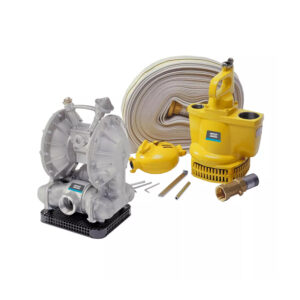
Showing the single result
Air-Driven, Run-Dry Safe
Pneumatic diaphragm pumps use compressed air to flex a diaphragm that moves fluid — with no rotating seals, they handle grit, sludge, and solids that would wreck a centrifugal pump, and they can run dry or dead-head without damage. That makes them a fit for dewatering, sump and pit emptying, and transferring viscous or abrasive fluids on construction and industrial sites.
Common Questions
How does a pneumatic diaphragm pump work? Compressed air flexes one or more diaphragms back and forth, drawing fluid in and pushing it out through check valves. Because there are no rotating seals or impellers in the fluid path, the pump handles solids, slurry, and viscous liquids, and can run dry or against a closed valve without damage.
What size air compressor do I need? Match the compressor to the pump’s rated air consumption — the DOP 15 product page lists its CFM and pressure. See air compressors.
Can a diaphragm pump run dry? Yes — unlike centrifugal and most electric pumps, an air diaphragm pump can run dry, self-prime, and dead-head against a closed line without damage, which is why it’s used for intermittent dewatering and pit work.