
Chicago Pneumatic PPU Hydraulic Post Pullers
A hydraulic post puller that lifts fence post, T-post, sign post and guardrail straight out of the ground, running off the same power pack as the CP post drivers.
The short version
Pulling is the half of the job nobody budgets for. Replacing a fence line or a run of guardrail means getting the old post out first, and the usual methods — a chain and a loader bucket, a high-lift jack, or two people and a bar — are slow, hard on backs, and prone to snapping the post off at grade and leaving the stub in the ground. A hydraulic puller grips and lifts vertically, so the post comes out whole and the hole stays where you want it. It runs off the same PAC power pack as the drivers, which makes it a tool purchase rather than a second machine.
The CP PPU 22HD
One model, one configuration, hydraulic. Pairs with the PDR post driver range on the same power pack and the same hoses.
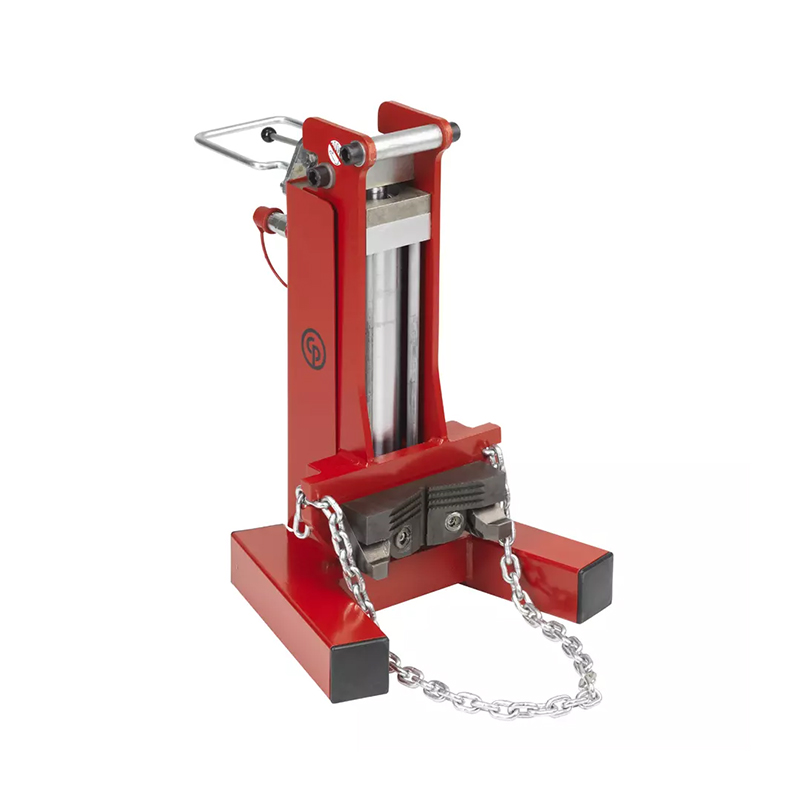
PPU 22HD · hydraulic post puller · part no. 1801 8100 04
Hydraulic · runs off a CP PAC power pack · full specification not published by CP
The other half of the fence job. A hydraulic post puller grips the post and lifts it straight out under hydraulic force, which beats a chain and a loader bucket for speed, for the operator’s back, and for not snapping the post off at grade and leaving the stub in the ground. Runs off the same PAC power pack as the drivers.
On the specification. Chicago Pneumatic do not publish a technical datasheet for the PPU 22HD in the literature we hold, so this page does not print a spec table full of numbers we cannot stand behind. What we can tell you: it is hydraulic, it runs off a CP PAC power pack or a matching carrier circuit, and part number 1801 8100 04 is what ships. Call 1-888-883-5144 for pulling capacity, weight and flow and we will get them from CP before you order.
Why a Hydraulic Puller Beats the Alternatives
Four ways posts get pulled, and what each one costs you.
Chain and a loader bucket
Fast when it works, and it pulls at an angle, which bends the post, tears the hole open and regularly snaps the post at grade. It also needs a machine that can get to every post, which on a fence line usually means driving over the crop or the verge.
High-lift jack and a chain
Cheap and portable, and genuinely hard work. Set-up per post is slow, the jack slips, and on a run of a hundred posts it is a day of somebody’s back.
Two people and a bar
Works on rotten wood and nothing else. Steel T-post and anything concreted in will not move, and the post that does come out usually brings the top six inches only.
Hydraulic puller
Grips the post and lifts vertically under hydraulic force. The post comes out whole, the hole stays true, and one person works the line. It costs more than a jack and it needs a power source you probably already own if you are driving posts.
Power Pack and Carrier Matching
The puller runs on the same hydraulic standard as the rest of the CP line, so if you already run a driver or a breaker you already have what it needs.
HTMA class is the thing to get right. The Hydraulic Tool Manufacturers Association standardised circuit ratings so a tool from one maker runs off a pack from another. Class I is 5 GPM at 2,000 psi and class II is 8 GPM at 2,000 psi. Feed a class I tool from a class II circuit without a flow restrictor and you overspeed it; feed a class II tool from a class I circuit and it runs slow and hot. Every CP tool on this site states its class, and every CP pack states what it delivers.
The efficient way to buy this. One PAC power pack, one PDR post driver and one PPU puller covers the whole fence or guardrail replacement job with a single machine and two hand tools. The hoses and couplings are common across the range.
Call 1-888-883-5144 and we will confirm the flow the puller wants against the pack you have or the pack you are buying, and quote the hose set with it.
Chicago Pneumatic Post Puller FAQ
What does a hydraulic post puller do?
It grips a post and lifts it vertically out of the ground under hydraulic force. Because the pull is straight up rather than at an angle, the post comes out whole rather than bending or snapping off at grade, and the hole is not torn open. It is the standard tool for fence, T-post, sign post and guardrail removal.
Why not just use a chain and a loader?
You can, and plenty of crews do. The problems are that the pull is angled, which bends posts and tears holes; that snapped posts leave a stub in the ground you then have to dig out; and that the machine has to reach every post, which on a fence line means driving the verge or the crop. A hand-held puller walks the line.
What powers it?
A hydraulic circuit: a CP PAC power pack, or a carrier such as a skid steer, tractor or utility truck with a matching auxiliary circuit. If you already run a CP hydraulic post driver or breaker, the same pack and the same hoses drive the puller.
What is the pulling capacity?
Chicago Pneumatic do not publish a datasheet for the PPU 22HD in the literature we hold, and we are not going to quote a capacity we cannot source. Call 1-888-883-5144 with the post type and the ground and we will get the figures from CP before you order.
Does it work on posts set in concrete?
That depends entirely on the size of the concrete plug and the ground around it. A puller lifts the post and whatever is attached to it, so a small plug in soft ground usually comes up and a large plug in compacted fill usually does not. Tell us what you are dealing with and we will give you an honest answer rather than a hopeful one.
Can I buy the driver and the puller together?
Yes, and it is the sensible way to do it. One PAC power pack, one PDR driver and one PPU puller covers a whole fence or guardrail replacement with a single machine. Call 1-888-883-5144 and we will quote the set with the hoses.
Pull the old line, drive the new one
Tell us the post and the ground and we will quote the puller, the driver and the pack together with the hose set.