

Chicago Pneumatic Bench and Sand Rammers
Bench and sand rammers pack molding sand around a pattern faster and more evenly than a hand rammer, and the mold holds that density through the pour. All are pneumatic, all take a butt on the end of the piston rod, and stroke length is what separates them. The TX00 and TX70B sand rammers and the 2-1/2 in. TX8 bench rammer are made in the U.S.A. with an adjustable packing gland and ship with a butt; the Tamco/Toku line runs heat-treated alloy steel cylinders from the 2 in. 00BA up to the 4 in. 1BA. Shop Texas Pneumatic sand rammers, Toku bench rammers, and the wider tampers & rammers range. Free UPS Ground shipping on every rammer.
Showing the single result
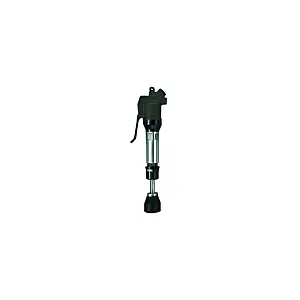
Showing the single result
Bench Rammer or Sand Rammer?
The names describe where the tool works, not a different mechanism. A bench rammer is the shorter-stroke tool used at the molding bench on small and medium flasks, where the operator wants control and a light tool through a full shift. A sand rammer covers floor molding and deeper flasks, where a longer stroke moves more sand per blow. Foundries running both keep a bench tool at the station and a longer-stroke rammer on the floor.
Stroke Sets the Pack
Stroke is the spec to shop on. A 2 in. stroke hits fast and shallow, which suits facing sand and tight pattern detail where a heavy blow would move the pattern. A 2-1/2 in. stroke is the general-purpose choice for bench work. A 4 in. stroke drives deeper into a filled flask and consolidates backing sand in fewer passes. Butt shape matters nearly as much — a narrow butt reaches between pattern features, a wide butt levels the top of the flask. Every rammer here runs off an air compressor.
Rammer Comparison
Stroke as published for each model. Texas Pneumatic tools ship with a butt and an adjustable packing gland; the Tamco/Toku rammers use heat-treated alloy steel cylinders.
| Model | Brand | Stroke | Type |
|---|---|---|---|
| Tamco/Toku 00BA | Tamco/Toku | 2 in. | Rammer |
| Tamco/Toku 0BR | Tamco/Toku | 2 in. | Rammer |
| Tamco/Toku 2BAR | Tamco/Toku | 2-1/2 in. | Rammer |
| Tamco/Toku 1BA | Tamco/Toku | 4 in. | Rammer |
| Texas Pneumatic TX8 | Texas Pneumatic | 2-1/2 in. | Bench rammer |
| Texas Pneumatic TX00 | Texas Pneumatic | — | Sand rammer |
| Texas Pneumatic TX70B | Texas Pneumatic | — | Sand rammer |
See every model above, and check the product page for the butt supplied with each tool.
Beyond the Molding Floor
Rammers are not only foundry tools. Texas Pneumatic lists the same models for packing alumina in fire walls and for cast stone, and mills use them anywhere a small area has to be consolidated by hand. For trench, around-pipe, and footing compaction on a jobsite, step across to backfill tampers, and read the tampers buyer’s guide for sizing one.
Shop Rammers by Brand
Compare by maker: Texas Pneumatic bench rammers alongside its TX00 and TX70B sand rammers, the Tamco/Toku rammer line in 2, 2-1/2, and 4 in. strokes, and Chicago Pneumatic sand rammers from the industrial range, including the CP0200 series.
Common Questions
What is a sand rammer used for? Packing molding sand around a pattern in green-sand casting so the mold holds its shape and surface when metal goes in. Under-rammed sand washes and drops inclusions; over-rammed sand traps gas. A pneumatic rammer gives repeatable blows instead of guesswork. See the rest of the compaction tools.
What is the difference between a rammer and a backfill tamper? Scale and target. A bench or sand rammer is a light foundry and mill tool packing sand in a flask; an air tamper is a heavier site tool with a broad foot that compacts soil in trenches and around pipe.
Do you sell hydraulic rammers? Not in this category — every rammer here is pneumatic and runs off shop air. If you need hydraulic-powered compaction or breaking, start with hydraulic power packs and the tools that run on them.
Where do I get replacement butts and internal parts? Through Parts Direct, or call with the model number stamped on the tool. Butts and packing glands are the usual wear items on a rammer that has been in service.