
Drill Steel & Bits (Page 2 of 4)
Keep rock drills cutting with the consumable steel and bits that do the work underground. The drill supplies percussion, rotation, and flushing; the steel carries them down the hole; the bit breaks the rock and steel and bits are wear items you’ll reorder for the life of the drill. Match the string to your drill and hole with striking bars & shanked rods, extension rods, thread adapters, carbide rock drill bits, and DTH bits for the rock drills, jackleg, and sinker drills on the job. New to it? Start with choosing drill steel and rock drill bits, or the rock drill bits and drill steel & adapters buyer’s guides.
Showing 25–48 of 80 resultsSorted by popularity
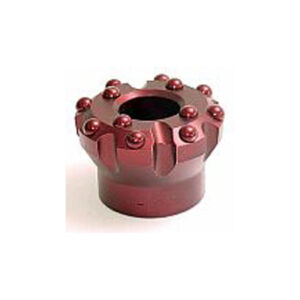
Rock Drill Bits: Button, Cross & Reaming Bits
$157.00 – QUOTE Select options This product has multiple variants. The options may be chosen on the product page
Rock Drill Bits: Button, Cross & Reaming Bits
$180.00 – QUOTE Select options This product has multiple variants. The options may be chosen on the product page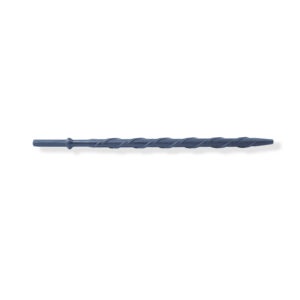 $241.67 – QUOTE Select options This product has multiple variants. The options may be chosen on the product page
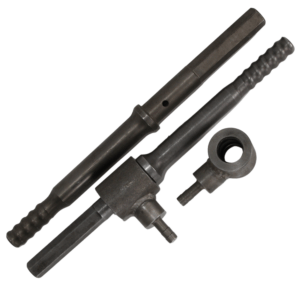 Price range: $114.00 through $192.00 Select options This product has multiple variants. The options may be chosen on the product page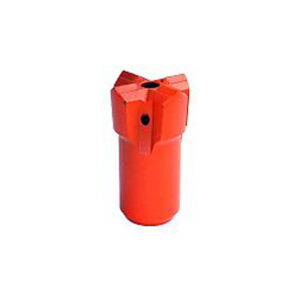
Rock Drill Bits: Button, Cross & Reaming Bits
$211.00 – QUOTE Select options This product has multiple variants. The options may be chosen on the product page
Rock Drill Bits: Button, Cross & Reaming Bits
Price range: $601.00 through $3,081.00 Select options This product has multiple variants. The options may be chosen on the product page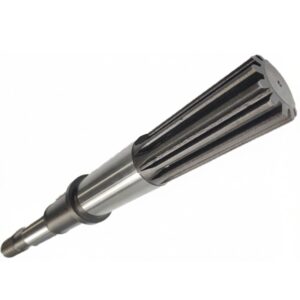
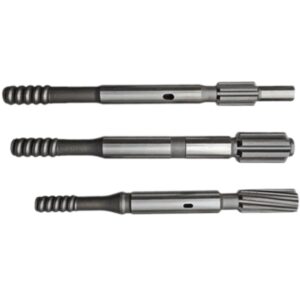
- QUOTE Select options This product has multiple variants. The options may be chosen on the product page
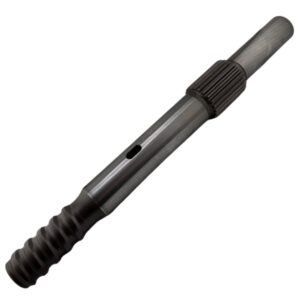
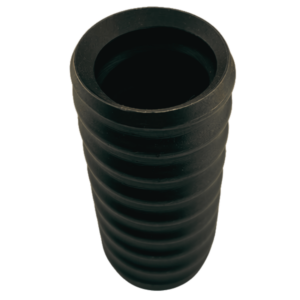 $173.00 Select options This product has multiple variants. The options may be chosen on the product page
- QUOTE Select options This product has multiple variants. The options may be chosen on the product page
- QUOTE Select options This product has multiple variants. The options may be chosen on the product page
- QUOTE Select options This product has multiple variants. The options may be chosen on the product page
- QUOTE Select options This product has multiple variants. The options may be chosen on the product page
- QUOTE Select options This product has multiple variants. The options may be chosen on the product page
- QUOTE Select options This product has multiple variants. The options may be chosen on the product page
- QUOTE Select options This product has multiple variants. The options may be chosen on the product page
- QUOTE Select options This product has multiple variants. The options may be chosen on the product page
Showing 25–48 of 80 resultsSorted by popularity
Which System Are You In?
Every drill string sorts into one of four systems, defined by how the bit attaches to the steel. Identifying yours locks in every reorder — shank, thread, bit family, and adapters — so it’s the first thing to get right.
| System | How the bit attaches | Typical holes | Where it wins |
|---|---|---|---|
| One-piece (whirlibit / integral steel) | Carbide tip brazed to the rod — bit and steel are one piece | 1/2–1-1/2 in. dia, shallow | Small, fast holes: dowels, anchors, plug-and-feather work — no joints to loosen |
| Shoulder-drive threaded (H thread) | Bit screws onto a short coarse thread and seats against a forged shoulder | 1-3/8–3 in. dia; steel 12–168 in. | The US contractor standard — one steel, many bits that swap in seconds |
| Tapered (11° / 12°) | Bit friction-fits onto a ground taper — no threads | 1–2 in. dia; steel 12–168 in. | Fast tool-free bit changes and lowest bit cost — quarry, monument, plug holes |
| Extension threaded (rope R / T thread) | Full-strength thread on both ends; rods join with couplings and extend | 1-1/4–6 in. dia; strings to 20 ft+ | Any hole deeper than one steel — jacklegs, stopers, drifters, soil nailing |
Not sure which you’re in? The choosing drill steel and rock drill bits guide walks through it.
Build Out the Drill String
Shop each part of the string: striking bars & shanked rods for the shank end, extension rods and couplings to reach depth, adapters to bridge thread families, carbide rock drill bits (cross and button) at the cutting end, and DTH bits for down-the-hole hammers. Match every connection — shank, thread, and taper — to your rock drill before ordering.
Cross Bits vs. Button Bits
At the cutting end, cross bits are forgiving in broken ground and easy to resharpen in the field; button bits drill faster and last longer in hard, abrasive rock. Both come in every thread and taper system above — see all rock drill bits, and the rock drill bits buyer’s guide for choosing.
Common Questions
How do I know what thread or taper my steel is? It’s set by your drill and steel system — H thread (shoulder-drive), 11°/12° taper, or R/T extension thread. The choosing drill steel and rock drill bits guide helps identify it, and a drill steel adapter bridges most mismatches.
When should I retire a bit? Retire a bit at roughly 30% diameter loss or when the skirt steel wears flush behind the gauge row — a worn, undergauge bit drills a tight hole that damages the next bit down it. Measure across the gauge buttons with calipers against nominal.
What’s the difference between rock drill bits and DTH bits? Rock drill bits sit at the end of a top-hammer steel string; DTH bits mount to a down-the-hole hammer that travels down the hole with the bit for deep, large-diameter drilling. They’re different systems — match the bit to your drill type.
Do you carry couplings and adapters? Yes — adapters and couplings join thread families and extend strings. See the drill steel & adapters buyer’s guide for matching them.