
Rock Drilling & Splitting (Page 2 of 4)
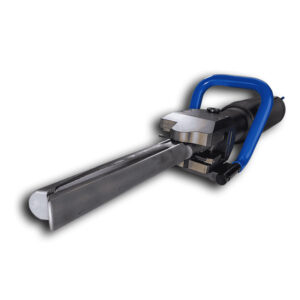
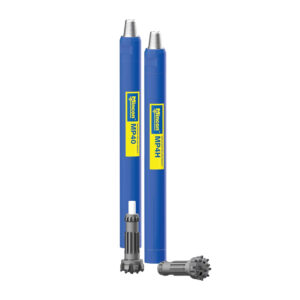
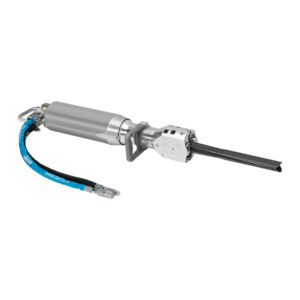
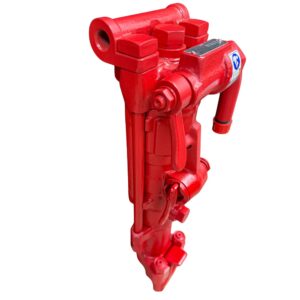
Every hole in rock starts here, and so does every way of breaking rock without explosives. Handheld pneumatic and gas rock drills collar blast, anchor, and utility holes. Sinker drills such as the BTE Mid-Western S83 sink them straight down. Jackleg drills put a powered feed leg under the drill for drift and back work, and the stand-mounted Demon drill takes the operator’s back out of production drilling. Deeper and larger holes move to down-the-hole hammers. When blasting is off the table, Darda and Tehma rock splitters crack boulders and mass concrete silently. New to it? Start with the rock drill buyer’s guide.
Showing 25–48 of 74 resultsSorted by popularity
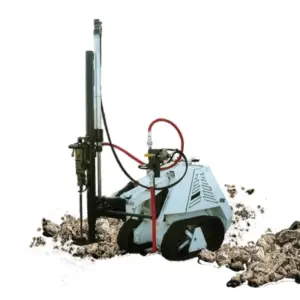 $25,000.00 Select options This product has multiple variants. The options may be chosen on the product page
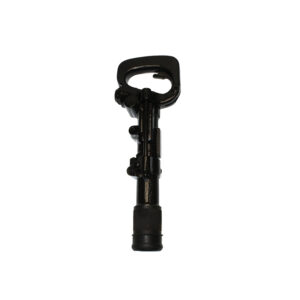 $1,360.00 Select options This product has multiple variants. The options may be chosen on the product page
 $1,198.66 Select options This product has multiple variants. The options may be chosen on the product page
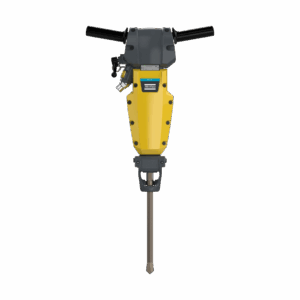 $2,811.91 Select options This product has multiple variants. The options may be chosen on the product page
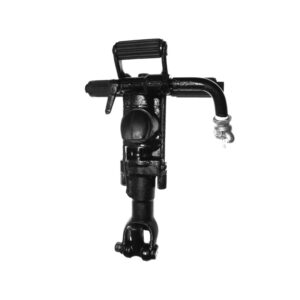 $2,490.00 Select options This product has multiple variants. The options may be chosen on the product page
- Price range: $1,286.00 through $1,358.00 Select options This product has multiple variants. The options may be chosen on the product page
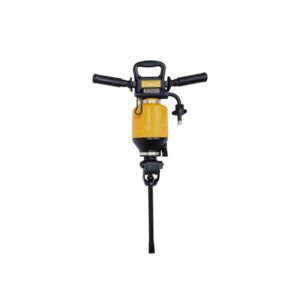 $3,550.81 Select options This product has multiple variants. The options may be chosen on the product page
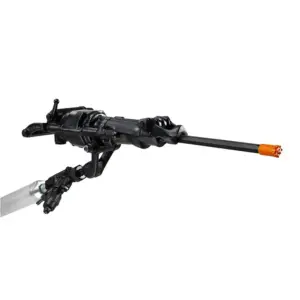 $5,533.49 Select options This product has multiple variants. The options may be chosen on the product page
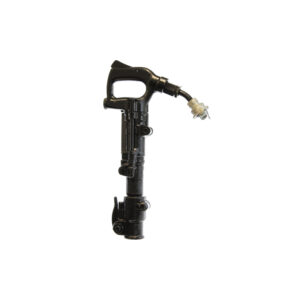 $2,490.00 Select options This product has multiple variants. The options may be chosen on the product page
 $2,504.03 Select options This product has multiple variants. The options may be chosen on the product page
 QUOTE Select options This product has multiple variants. The options may be chosen on the product page
Paving Breakers & Jackhammers, Pneumatic & Gas Rock Drills
$5,880.00 Select options This product has multiple variants. The options may be chosen on the product page $12,060.00 Select options This product has multiple variants. The options may be chosen on the product page
 $11,610.00 Select options This product has multiple variants. The options may be chosen on the product page
 QUOTE Select options This product has multiple variants. The options may be chosen on the product page
 $21,912.00 Select options This product has multiple variants. The options may be chosen on the product page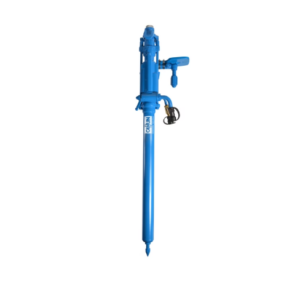
 $17,107.00 Select options This product has multiple variants. The options may be chosen on the product page
 QUOTE Select options This product has multiple variants. The options may be chosen on the product page
 QUOTE Select options This product has multiple variants. The options may be chosen on the product page
 $2,401.00 Select options This product has multiple variants. The options may be chosen on the product page
 QUOTE Select options This product has multiple variants. The options may be chosen on the product page
- QUOTE Select options This product has multiple variants. The options may be chosen on the product page
- QUOTE Select options This product has multiple variants. The options may be chosen on the product page
Showing 25–48 of 74 resultsSorted by popularity
Drill It
Top-hammer drills are sized by weight class and air demand: the lighter tools handle anchor and utility holes, the heavy classes are production sinkers. Air is the limit on almost every job, so match the compressor to the drill before you match anything else. Compare Atlas Copco rock drills against the rest of the line, and see air compressors for what will feed them.
Legged, Stand-Mounted, or Down the Hole
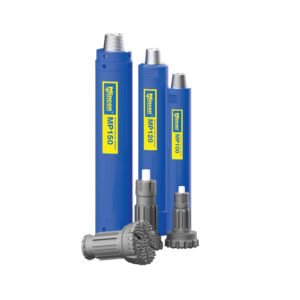
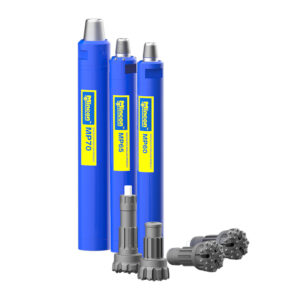
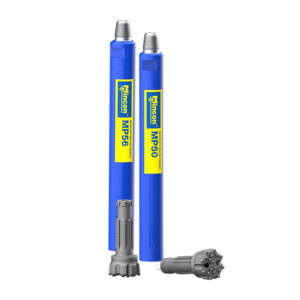
How you hold the drill up matters as much as the drill. A jackleg carries the weight and pushes for you on drift and back rounds; a feed stand does the same for repeatable bench and anchor drilling; and a DTH hammer travels down the hole behind the bit so impact stays strong at depth. The DTH hammer buyer’s guide works through hole size, air, pressure, and shank in order.
Split It Instead of Blasting It
Where a permit, a neighbor, or a structure rules out blasting and impact breaking, drill a hole and split. A wedge-and-feathers head driven by a hydraulic power pack tears rock or concrete apart from the inside with no noise, vibration, or flying debris. Every model specifies its own hole diameter and minimum depth — the rock splitter buyer’s guide covers matching them.
Steel, Bits, and Oil
The drill is the durable good; the string is the reorder. Build it out of drill steel and bits — shanked rods, extension rods, adapters, carbide cross and button bits — and keep percussion parts alive with rock drill oil.
Common Questions
What does drill and split mean? The two-step, no-blast method: bore a hole to a specified diameter and depth with a rock drill, then set a hydraulic splitter in it and expand the wedge until the rock cracks. Standard on dimensional stone, boulder reduction, and work next to occupied buildings.
I need a rock splitting tool for 39 mm drill holes. That is about 1.54 in. Splitter models each publish a required hole diameter and minimum depth, so pick from the splitter range by that number, then match a bit to it. Tell us the hole you can drill and we will confirm the model.
Top hammer or down the hole? Use a handheld or legged top-hammer drill for shallow, smaller holes — it is faster to set up and cheaper to run. Move to a DTH hammer when holes get deep, large, or need to stay dead straight.
How do I drill faster with the drill I already own? Usually by fixing air supply and bit condition rather than buying a bigger machine. Undersize hose, a starved compressor, and a worn gauge row cost more penetration than most people expect. See tips for efficient drilling.