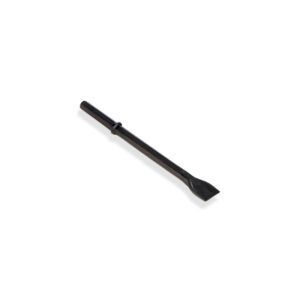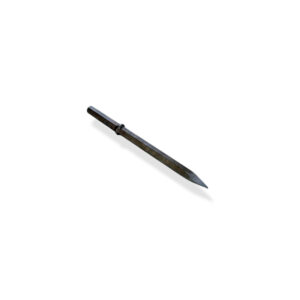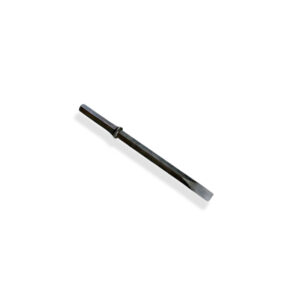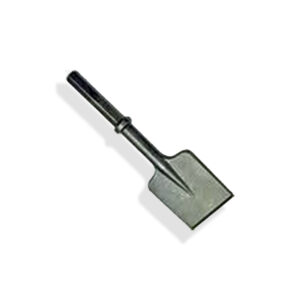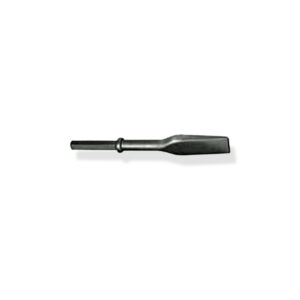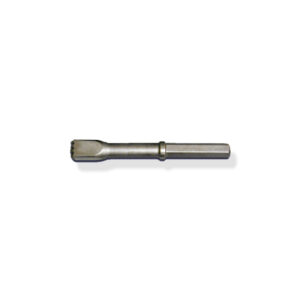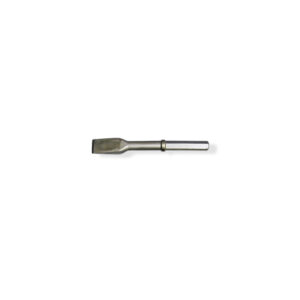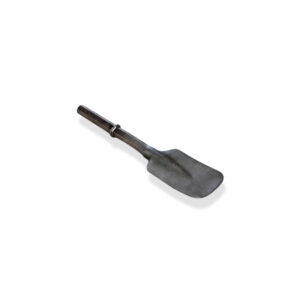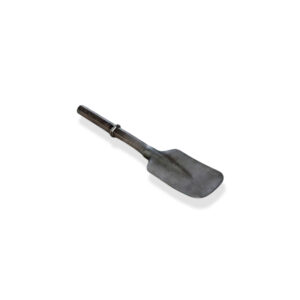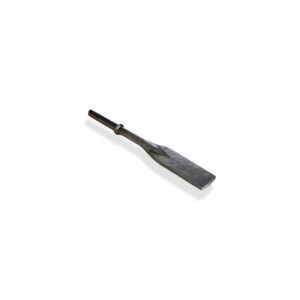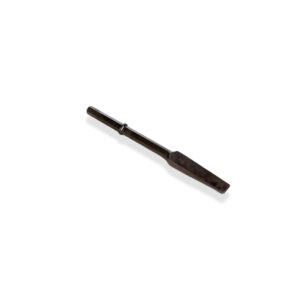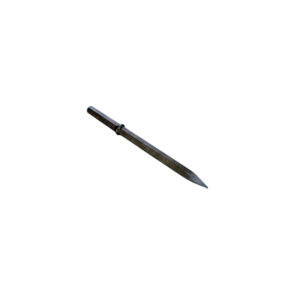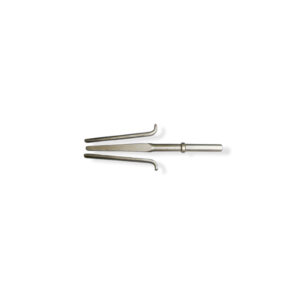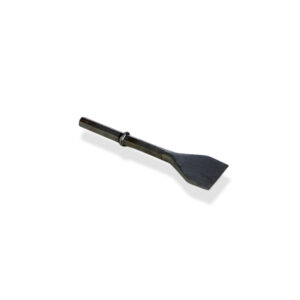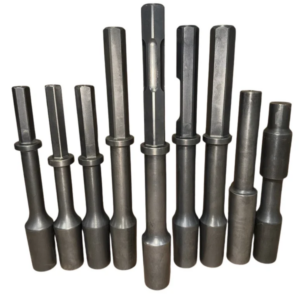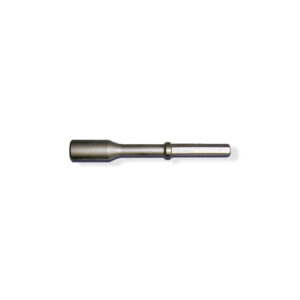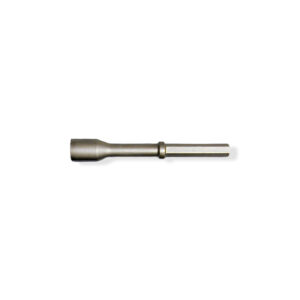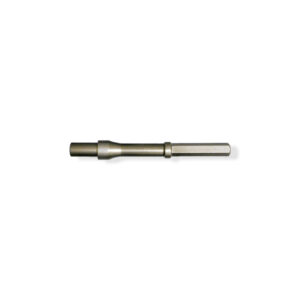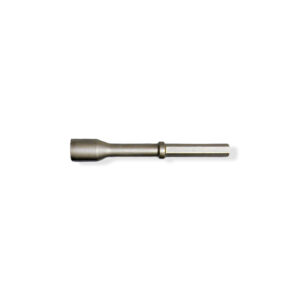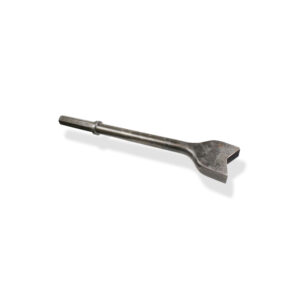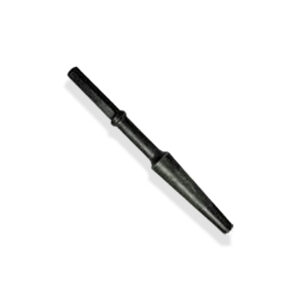
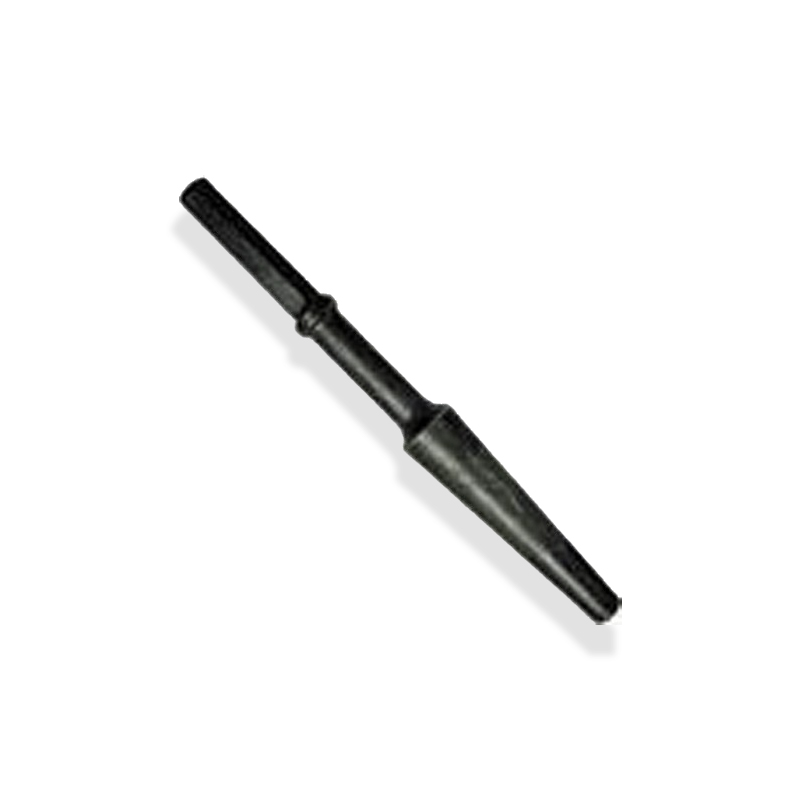
The paving breaker concrete buster known on some crews as a rock buster tool is the heavy hitter of breaker steel: a tapered, pointed head that focuses the hammer’s energy to crack thick slabs, footings and foundations into pieces a crew can actually lift. Built from high-quality heat-treated steel for hardness and impact strength, it comes in 1 x 4-1/4, 1-1/8 x 6 and 1-1/4 x 6 in. hex shanks at 14-1/2 in. overall length, with an extended 1-1/8 x 6 in. option.
Sidewalk-gauge flatwork rarely needs it a standard moil point starts cracks in thin concrete just fine but thick slab, footing and foundation demolition is buster territory. Find the full spread of paving breaker blade tools here, pair the steel with a hammer from our paving breaker & jackhammer wall, and lean on the buyers guide to paving breakers for weight-class matching.
- Tapered, pointed head focuses impact energy to crack thick concrete into manageable pieces
- Hex shank sizes: 1 x 4-1/4, 1-1/8 x 6 and 1-1/4 x 6 in.
- 14-1/2 in. overall length, with an extended-length 1-1/8 x 6 in. option
- High-quality heat-treated steel for hardness, impact strength and durability
- Applications: slab and floor demolition, footings and foundations, curbs, reinforced trench lines
- Stocked by Crowder Supply in Denver in all three shank sizes
Concrete Buster FAQ
Concrete buster or moil point which do I need?
The buster’s tapered, pointed head focuses the hammer’s energy to crack thick slabs, footings and foundations into liftable pieces; a standard moil point handles crack-starting in thinner sidewalk-gauge concrete, and lives with the rest of our paving breaker points and chisels.
What shank sizes does the concrete buster come in?
1 x 4-1/4, 1-1/8 x 6 and 1-1/4 x 6 in. hex shanks at 14-1/2 in. overall length, plus an extended-length 1-1/8 x 6 in. option match the shank to your breaker’s chuck.
Will it break asphalt too?
Yes besides concrete slabs, footings and pillars, it is used on asphalt surfaces and pavement in road construction and repair, and in trenching where concrete pipes or barriers need breaking out.